
Zours Strain – Discover a Distinctive Cannabis Variety
Zours Strain is a cannabis variety with a memorable name and a distinctive place in discussions about modern cannabis genetics. Its name suggests a sour, fruit-inspired identity, making it an interesting subject for people exploring different cannabis cultivars, aromatic profiles and botanical characteristics.
As interest in cannabis genetics continues to develop, understanding individual strains has become increasingly important. Rather than relying entirely on promotional descriptions, readers can explore genetic information, cannabinoid composition, terpene profiles and laboratory documentation.
Moreover, a strain’s characteristics can vary between growers, harvests and individual products. Therefore, understanding the difference between reported qualities and verified information helps consumers make informed comparisons.
This guide explores the Zours cannabis strain, including its possible flavour characteristics, appearance, chemical composition, quality considerations and responsible product evaluation.
What Is the Zours Strain?
Zours is a named cannabis cultivar that may appear in strain catalogues and product listings. However, its precise genetic lineage and classification require confirmation from the original breeder or a reliable genetic source.
Unlike some widely documented cannabis varieties, information about this particular cultivar may differ between suppliers.
Consequently, it is important to avoid assuming that every product carrying the same name has identical characteristics.
For example, cannabinoid concentrations, aromatic compounds and flower appearance can vary according to genetics and cultivation conditions.
Furthermore, naming conventions are not always standardised throughout the cannabis industry.
Therefore, accurate product identification should include information beyond the strain name whenever possible.
Understanding Zours Cannabis Genetics
Genetics influence many of the botanical characteristics associated with cannabis plants.
These include growth structure, flower development, pigment production and the potential expression of cannabinoids and terpenes.
However, the exact parent strains associated with Zours should not be stated as fact without reliable breeder documentation.
Modern cannabis breeding often involves selecting plants for particular aromatic or physical characteristics.
Additionally, individual selections may express different traits even when they share similar genetic backgrounds.
As a result, two products sold under the same cultivar name may display noticeable differences.
Reliable genetic documentation can help clarify these relationships and distinguish authentic cultivar information from unsupported claims.
Zours Strain Aroma and Fragrance Profile
The name Zours suggests a sour or tangy aromatic identity. Nevertheless, a product name alone cannot establish its actual terpene composition.
Some cannabis varieties are associated with citrus, fruit, herbal or earthy aromas.
These characteristics arise partly from naturally occurring aromatic compounds called terpenes.
For instance, limonene commonly contributes citrus-like notes to many plants.
Meanwhile, myrcene is associated with earthy and herbal characteristics.
Caryophyllene, another widely occurring terpene, is often described as peppery or spicy.
However, these examples do not confirm which compounds are present in a particular Zours sample.
Therefore, a batch-specific terpene report provides a more reliable description than general marketing language.
Exploring the Zours Strain Flavour
Flavour descriptions play an important role in cannabis strain catalogues.
The word Zours creates an expectation of a sharp, fruit-inspired or sour flavour profile.
However, actual sensory characteristics depend on the plant’s chemical composition and the condition of the finished material.
Additionally, aroma and flavour are subjective experiences.
Different individuals may describe the same botanical sample using different terms.
For example, one person may notice citrus-like qualities, while another may identify herbal or earthy characteristics.
Furthermore, storage conditions can influence the preservation of volatile aromatic compounds.
Consequently, flavour descriptions should be presented as general observations rather than guaranteed characteristics.
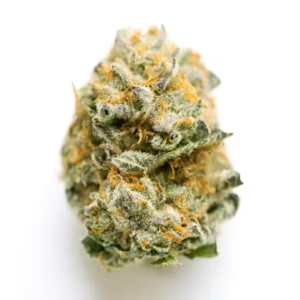
Appearance and Flower Characteristics
Cannabis flowers display a wide range of colours, shapes and textures.
Depending on their genetics and growing conditions, individual plants may develop compact or loosely structured flowers.
Green shades are common, while some varieties display purple or darker pigmentation.
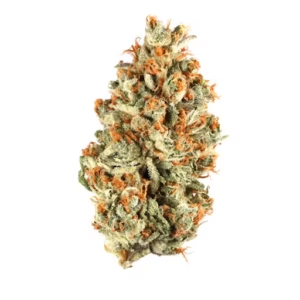
Additionally, orange or amber-coloured pistils may provide visual contrast.
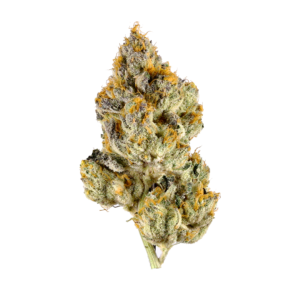
The surface of cannabis flowers can also contain glandular trichomes.
These specialised botanical structures are associated with cannabinoid and terpene production.
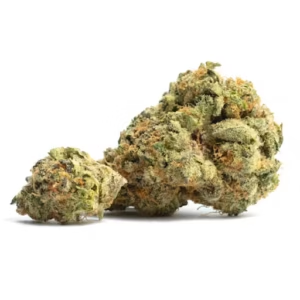
However, the exact appearance of Zours flowers should be confirmed through photographs or documentation of the specific product.
Importantly, visual appeal alone cannot establish chemical potency, safety or manufacturing quality.
Zours Strain THC Content
THC, or tetrahydrocannabinol, is the principal intoxicating cannabinoid associated with many cannabis products.
However, no single THC percentage should be assigned to Zours without verified laboratory results.
Cannabinoid concentrations may vary considerably between batches.
Furthermore, genetics, environmental conditions and post-harvest handling can influence chemical composition.
Some products may also contain measurable quantities of other cannabinoids, including CBD and CBG.
Therefore, consumers should examine a current certificate of analysis when accurate cannabinoid information is required.
Importantly, higher THC concentrations can increase the likelihood of adverse reactions.
These may include anxiety, dizziness, impaired coordination and changes in attention or memory.
Is Zours an Indica, Sativa or Hybrid?
Cannabis varieties are frequently categorised as indica, sativa or hybrid.
However, these broad classifications do not reliably predict an individual product’s effects.
Modern cannabis genetics often involve extensive crossbreeding, making simple categories less informative.
Furthermore, two products carrying the same classification may have substantially different cannabinoid and terpene profiles.
Without reliable breeder documentation, Zours should not be assigned a definitive indica-to-sativa ratio.
Instead, readers can examine genetic records and laboratory information when comparing cultivars.
Consequently, chemical composition offers a more useful basis for evaluation than unsupported classification claims.
Understanding Cannabis Terpenes
Terpenes are aromatic compounds naturally produced by many plants.
They contribute to the characteristic fragrances of citrus fruits, herbs, flowers and various cannabis cultivars.
For example, pinene is associated with pine-like aromas.
Linalool often contributes floral characteristics.
Meanwhile, humulene is commonly described as earthy or woody.
These compounds may occur in different combinations and concentrations.
However, their presence cannot be confirmed solely through a product’s name or appearance.
Additionally, research into terpene interactions with cannabinoids remains an evolving scientific field.
Therefore, claims about specific therapeutic effects should be evaluated carefully.
How Zours Compares with Other Cannabis Strains
Comparing cannabis varieties involves more than examining their names.
Firstly, verified genetic information can help establish relationships between cultivars.
Additionally, cannabinoid analysis provides measurable information about chemical composition.
Furthermore, terpene testing can reveal differences in aromatic compounds.
Flower structure, pigmentation and moisture content may also vary.
However, subjective popularity does not establish superior quality.
Consequently, a meaningful comparison should consider independently verified product information.
This approach helps readers distinguish between botanical characteristics, marketing descriptions and measurable product attributes.
Why Cannabis Quality Matters
Quality assessment is an essential part of understanding cannabis products.
Reliable laboratory testing can provide information about cannabinoid concentrations and potential contaminants.
For example, appropriate testing may identify pesticide residues, heavy metals and microbial contamination.
Additionally, batch identification helps support product traceability.
However, laboratory requirements differ between jurisdictions.
Therefore, consumers should review the standards applicable to their location.
Transparent documentation is particularly valuable when a cultivar has limited publicly available genetic information.
Ultimately, quality should be assessed through reliable evidence rather than appearance or reputation alone.
The Importance of Proper Storage
Cannabis flower characteristics may change during storage.
Exposure to excessive heat, light, air and moisture can affect the stability of certain chemical compounds.
Furthermore, unsuitable storage conditions may increase the risk of deterioration or contamination.
Therefore, products should be kept in accordance with applicable manufacturer guidance.
Secure storage is also essential.
Cannabis products must remain inaccessible to children and pets.
Additionally, clear labelling helps prevent accidental confusion with ordinary botanical or food products.
Responsible storage supports safety and preserves accurate product identification.
Zours Strain and Consumer Awareness
Understanding cannabis requires awareness of both its botanical characteristics and potential health risks.
THC-containing products can impair judgement, concentration and coordination.
Moreover, some individuals experience unwanted psychological or physical reactions.
Frequent use may contribute to dependence.
Additionally, cannabis may interact with medicines or worsen certain underlying health conditions.
Consequently, individuals considering cannabis for health-related reasons should consult a qualified healthcare professional.
Driving or operating machinery while impaired should always be avoided.
Local laws and age restrictions must also be respected.
Can Zours Be Used for Pain or Relaxation?
Online strain descriptions sometimes associate cannabis varieties with pain relief, relaxation or improved sleep.
However, a cultivar name cannot establish medical effectiveness.
Research into cannabis-based medicines varies according to the condition, cannabinoid formulation and quality of available evidence.
Furthermore, products marketed under recreational strain names are not necessarily equivalent to regulated medicinal preparations.
Therefore, Zours should not be described as a clinically proven treatment for pain, anxiety, insomnia or other medical conditions.
Anyone seeking treatment should obtain professional medical advice rather than relying on promotional claims.
Authenticity and Product Transparency
Accurate naming is important when researching lesser-documented cannabis cultivars.
A familiar or distinctive name does not automatically establish a product’s genetic authenticity.
Furthermore, different suppliers may use similar names for products with varying characteristics.
Consequently, reliable identification should include appropriate breeder information, product labelling and laboratory documentation.
Transparent descriptions should clearly distinguish confirmed facts from general observations.
Additionally, responsible businesses should avoid unsupported claims about potency, effects or medical benefits.
These practices help readers make better-informed decisions and support greater confidence in cannabis product information.
Final Thoughts on Zours Strain
Zours Strain has a memorable identity that makes it an interesting subject within modern cannabis discussions.
Its sour-inspired name suggests a distinctive flavour concept, while its precise genetic background and chemical characteristics require reliable verification.
Moreover, examining cannabinoid composition, terpene information and laboratory results provides a more meaningful understanding of the cultivar.
Ultimately, transparent documentation, responsible evaluation and accurate botanical information are more valuable than exaggerated marketing promises.
For readers researching cannabis genetics, Zours offers an opportunity to explore the importance of cultivar identification, chemical diversity and informed product comparisons.
Reviews
There are no reviews yet.