
Pineapple Express – Premium Tropical Cannabis Strain with Exceptional Genetics
Pineapple Express is a widely recognised cannabis strain celebrated for its tropical-inspired name, distinctive aromatic characteristics and interesting genetic background. Associated with sweet pineapple notes, citrus accents and earthy undertones, this hybrid has become a familiar subject in cannabis culture and botanical discussions.
Moreover, its recognisable identity has attracted attention among people researching cannabis genetics, terpene profiles and modern hybrid varieties.
From its reported lineage to its chemical composition, this cultivar offers an interesting example of the diversity found within the cannabis plant.
Whether comparing botanical characteristics or exploring strain history, understanding its defining features provides a useful starting point.
What Is Pineapple Express?
Pineapple Express is generally described as a sativa-leaning hybrid cannabis cultivar.
It is commonly associated with a cross between Trainwreck and Hawaiian cannabis genetics.
However, the precise lineage of products marketed under this name may differ between breeders and suppliers.
Furthermore, the strain became particularly well known through its association with popular culture.
Its tropical identity and distinctive name have helped establish widespread recognition.
Nevertheless, popularity alone cannot confirm the genetics, quality or cannabinoid composition of an individual product.
Therefore, reliable strain documentation remains important when comparing different examples.
The Origins and Genetics of Pineapple Express
The genetic background of this variety is one of its most frequently discussed characteristics.
Trainwreck is commonly described as a hybrid associated with earthy, herbal and citrus-like aromatic notes.
Meanwhile, Hawaiian cannabis varieties are often linked with tropical and fruity characteristics.
Together, these reported genetic influences help explain the strain’s distinctive reputation.
Additionally, different breeding selections can produce variations in plant structure, aroma and chemical composition.
For this reason, genetic lineage should be treated as useful background information rather than a guarantee of identical characteristics.
Verified breeder records provide greater certainty when evaluating specific cultivars.
Discover the Tropical Aroma Profile
One of the most recognisable features associated with this strain is its tropical aromatic identity.
Descriptions frequently mention sweet pineapple, citrus, fresh fruit and subtle earthy undertones.
Firstly, pineapple-inspired notes contribute to its familiar tropical reputation.
Meanwhile, citrus characteristics may add a refreshing contrast.
Additionally, herbal and woody aromas can create further complexity.
However, aromatic experiences vary depending on the individual sample and its terpene composition.
Therefore, official laboratory information provides a more reliable basis for evaluating specific products.
Understanding the Terpene Profile
Terpenes are naturally occurring aromatic compounds found in cannabis and numerous other plants.
They contribute to the distinctive scents associated with different botanical varieties.
For example, myrcene is commonly linked with earthy and herbal aromas.
Meanwhile, limonene is associated with citrus-like notes.
Additionally, caryophyllene often contributes peppery or spicy aromatic characteristics.
These compounds may appear in different concentrations depending on the plant’s genetics and environmental conditions.
However, a strain name alone cannot confirm which terpenes dominate a particular sample.
Consequently, batch-specific laboratory analysis remains the preferred source for accurate chemical information.
Pineapple Express Flavour Characteristics
The flavour descriptions associated with this cultivar often reflect its tropical identity.
Sweet pineapple, citrus zest and subtle herbal notes frequently appear in strain directories.
Furthermore, some descriptions mention earthy or woody undertones.
Nevertheless, perceived flavour is subjective and may vary considerably.
Plant genetics, harvesting conditions, curing and storage can influence aromatic compounds.
Additionally, products sold under the same name may originate from different genetic selections.
Therefore, flavour descriptions should be understood as general observations rather than guaranteed experiences.
Appearance and Flower Structure
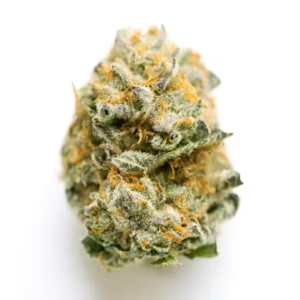
Pineapple Express is frequently associated with compact cannabis flowers displaying green shades and orange-coloured pistils.
Some examples may feature lighter green tones, while others exhibit darker botanical colouring.
Furthermore, glandular trichomes can create a frosted appearance across the flower surface.
These microscopic structures are associated with cannabinoid and terpene production.
However, flower colour and trichome visibility cannot independently establish potency or purity.
Consequently, visual inspection should not replace laboratory testing.
Accurate product information offers a stronger foundation for understanding cannabinoid composition and quality.
Pineapple Express THC Content
THC, or tetrahydrocannabinol, is the primary intoxicating cannabinoid associated with many cannabis products.
This cultivar is often marketed as a THC-dominant hybrid.
However, there is no universally verified THC percentage that applies to every product carrying its name.
Cannabinoid concentrations can vary according to genetics, growing conditions, harvesting practices and laboratory methods.
Additionally, individual samples may contain other cannabinoids, including CBD and CBG.
Therefore, consumers should examine current certificates of analysis when accurate cannabinoid information is required.
Importantly, higher THC concentrations may increase the likelihood of unwanted effects, particularly among inexperienced individuals.
Is Pineapple Express Indica or Sativa?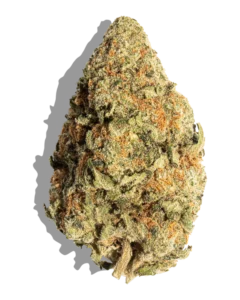
This variety is commonly classified as a sativa-leaning hybrid.
However, traditional indica and sativa categories do not reliably predict the effects of an individual cannabis product.
Modern cannabis genetics are complex, and many commercially recognised varieties contain mixed ancestry.
Furthermore, cannabinoid concentrations and individual sensitivity can influence reported experiences.
Consequently, broad strain classifications should not replace detailed chemical information.
Understanding this distinction supports more accurate comparisons between cannabis cultivars.
How Pineapple Express Became Popular
The strain’s recognisable name gained additional cultural attention through the 2008 comedy film Pineapple Express.
However, its botanical identity and the fictional product references associated with popular entertainment should not be confused.
Over time, the name became familiar within cannabis-related discussions and strain catalogues.
Moreover, its tropical branding contributed to widespread recognition.
Nevertheless, cultural popularity does not establish product authenticity or quality.
Therefore, accurate botanical information remains more useful than promotional reputation when evaluating a particular sample.
Comparing Pineapple Express with Other Cannabis Strains
Cannabis varieties differ in their reported genetic backgrounds, aromatic characteristics and cannabinoid profiles.
For example, some hybrids are associated with sweet berry aromas, while others feature earthy, citrus or herbal descriptions.
Additionally, different cultivars may display variations in flower density, colouring and terpene composition.
However, products carrying the same strain name can also differ substantially.
Consequently, meaningful comparisons require more than marketing descriptions.
Laboratory results, verified genetics and reliable product documentation provide a clearer understanding of individual characteristics.
Cultivation Characteristics and Botanical Development
Cannabis plants respond to environmental conditions throughout their growth and development.
Temperature, humidity, light availability and nutrient conditions can influence plant appearance and chemical composition.
Furthermore, genetics play an important role in determining potential growth characteristics.
However, flowering periods, yields and plant structure can differ between individual selections.
Therefore, generalised cultivation claims should not be treated as guaranteed specifications.
In jurisdictions where cannabis cultivation is legally authorised, professional producers must also consider licensing requirements and applicable quality standards.
Product Quality and Laboratory Transparency
Reliable laboratory information is an important part of responsible cannabis evaluation.
Firstly, cannabinoid testing can provide information about THC, CBD and other measured compounds.
Additionally, terpene analysis may identify the aromatic compounds present in a particular sample.
Furthermore, appropriate testing can screen for selected contaminants, including pesticides, heavy metals and microbial impurities.
However, testing requirements differ between jurisdictions.
Consequently, consumers should seek current, independently verifiable laboratory documentation.
Packaging design and strain reputation cannot independently confirm safety or regulatory compliance.
Responsible Cannabis Awareness
THC-containing cannabis products can affect concentration, memory, coordination and judgement.
Moreover, individual responses vary, and unwanted reactions may include dizziness, anxiety or an increased heart rate.
Frequent use may contribute to dependence in some individuals.
Additionally, cannabis can interact with certain medicines and may pose particular risks during pregnancy.
Therefore, anyone considering cannabis for health-related reasons should consult a qualified healthcare professional.
Driving or operating machinery while impaired should always be avoided.
Cannabis products must also be stored securely away from children and pets.
Pineapple Express and Medical Research
Some online discussions associate particular cannabis strains with stress, discomfort or sleep-related concerns.
However, a strain name does not establish clinical effectiveness for any medical condition.
Research into cannabis-based medicines continues, and findings vary according to the formulation and medical indication.
Furthermore, regulated medicinal cannabis products differ from unverified recreational products.
Consequently, Pineapple Express should not be presented as a proven treatment for pain, anxiety, depression or other health conditions.
Medical decisions require professional advice and reliable information about the specific formulation.
Why Authentic Strain Information Matters
Authenticity is an important consideration when researching commercially recognised cannabis varieties.
A familiar product name does not necessarily confirm genetic identity.
Furthermore, different suppliers may use similar names for products with varying chemical characteristics.
Therefore, transparent labelling and verified breeder information can support more accurate identification.
Additionally, batch-specific documentation helps distinguish general strain descriptions from confirmed product characteristics.
Ultimately, responsible information enables readers to make better-informed comparisons.
Final Thoughts on Pineapple Express
Pineapple Express remains a distinctive name within modern cannabis culture.
Its commonly reported Trainwreck and Hawaiian lineage, tropical aromatic descriptions and recognisable identity contribute to its reputation.
Moreover, the cultivar provides an interesting example of how cannabis genetics, environmental conditions and chemical composition influence botanical characteristics.
However, individual products may differ significantly.
For that reason, accurate laboratory information, responsible evaluation and transparent product descriptions remain essential.
Ultimately, understanding this variety means appreciating its botanical complexity rather than relying entirely on promotional claims.



Reviews
There are no reviews yet.