Methamphetamine – Medical Facts, Health Effects, Risks and Treatment Information
Methamphetamine is a powerful synthetic stimulant that affects the central nervous system. It influences brain activity, alertness, energy levels and several important bodily functions. Although it has limited medical applications in certain countries, its potential for dependence and serious health complications makes accurate information essential.
Understanding methamphetamine, its effects and associated risks can help individuals make informed health decisions. Furthermore, reliable medical guidance supports early recognition of harmful symptoms and access to appropriate treatment.
This comprehensive guide explores the substance’s chemical characteristics, effects on the brain, potential medical applications, short-term and long-term health risks, dependence, recovery and legal considerations.
What Is Methamphetamine?
Methamphetamine is a synthetic substance belonging to the amphetamine family of central nervous system stimulants.
It increases activity involving several brain chemicals, particularly dopamine and noradrenaline. These neurotransmitters influence motivation, attention, movement and the body’s response to stimulation.
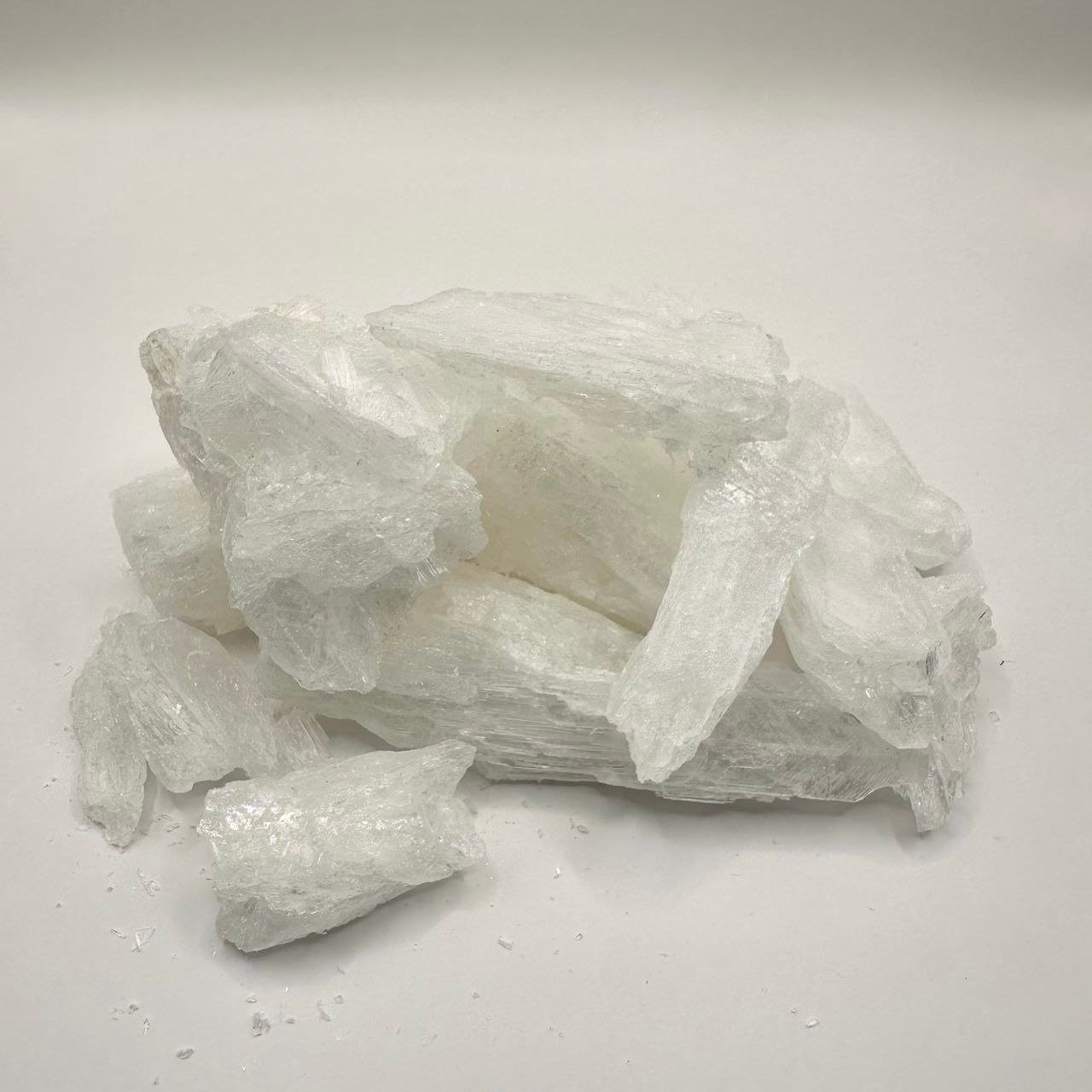
The substance may appear in different forms, including crystalline material and powders. However, appearance cannot establish chemical identity, concentration or purity.
In addition, products obtained outside regulated pharmaceutical systems may contain unexpected substances or contaminants.
Consequently, identifying an unknown material by sight is unreliable and potentially dangerous.
Methamphetamine is commonly associated with illicit recreational use. Nevertheless, limited prescription applications exist in some countries under strict medical supervision.
How Does Methamphetamine Affect the Brain? 
Methamphetamine affects communication between nerve cells by altering the activity of important neurotransmitters.
Dopamine plays a central role in motivation, reinforcement and movement. Meanwhile, noradrenaline contributes to alertness, heart rate and the body’s stress response.
Methamphetamine can increase the availability of these chemicals, producing pronounced stimulation.
As a result, individuals may experience increased wakefulness, reduced appetite and heightened activity.
However, these effects can also place considerable strain on the cardiovascular and nervous systems.
Furthermore, repeated exposure may change brain pathways involved in reward, motivation and decision-making.
These changes contribute to the substance’s considerable dependence potential.
Understanding the Short-Term Effects
The immediate effects of methamphetamine vary according to individual sensitivity, exposure and the presence of other substances.
Commonly reported effects include increased alertness, reduced appetite, restlessness and difficulty sleeping.
Additionally, physical changes may include an elevated heart rate, increased blood pressure, sweating and higher body temperature.
Some individuals experience anxiety, irritability or agitation.
At higher levels of exposure, serious complications can develop, including seizures, dangerous overheating, abnormal heart rhythms and acute psychological disturbances.
Importantly, the absence of obvious symptoms does not guarantee safety.
Therefore, suspected poisoning or severe reactions require prompt medical assessment.
Long-Term Health Risks of Methamphetamine
Repeated methamphetamine exposure can affect several organ systems.
Firstly, cardiovascular complications may include persistent high blood pressure, abnormal heart rhythms and damage to the heart.
Furthermore, prolonged sleep disruption can affect concentration, memory and emotional wellbeing.
Some individuals develop significant weight loss or nutritional difficulties.
Additionally, dental problems may occur because of factors such as dry mouth, poor oral hygiene and changes in eating habits.
Mental health complications can include anxiety, depression, paranoia and psychotic symptoms.
However, the severity of these problems varies between individuals.
Early medical intervention can improve the management of complications and support recovery.
Methamphetamine and Mental Health
Mental health is an important consideration when discussing stimulant-related harm.
Methamphetamine can contribute to anxiety, irritability, disturbed sleep and changes in mood.
Furthermore, repeated or heavy exposure may increase the likelihood of paranoia, hallucinations and stimulant-induced psychosis.
These symptoms can be frightening and may require urgent professional assessment.
Additionally, people experiencing dependence may face difficulties with relationships, employment and everyday responsibilities.
Nevertheless, effective psychological support and addiction treatment can help individuals address these challenges.
A compassionate, evidence-based approach is particularly important because stigma can discourage people from seeking assistance.
Can Methamphetamine Cause Dependence?
Yes. Methamphetamine has a substantial potential to cause substance use disorder.
Repeated exposure can reinforce patterns of use through changes in brain reward pathways.
Over time, some individuals may experience strong cravings, difficulty controlling use and continued consumption despite harmful consequences.
Furthermore, tolerance can develop, meaning the effects of a previously used amount may change.
Dependence is a medical concern rather than simply a question of willpower.
Fortunately, structured treatment and ongoing support can help people make meaningful progress towards recovery.
Early recognition of problematic use provides an opportunity to seek assistance before additional complications develop.
Methamphetamine Withdrawal Symptoms
Withdrawal can occur when a person who has been using methamphetamine regularly stops or substantially reduces use.
Common symptoms include fatigue, disturbed sleep, low mood, increased appetite and difficulty concentrating.
Additionally, intense cravings may occur.
Some individuals experience significant depression, anxiety or irritability.
Although stimulant withdrawal differs from alcohol or benzodiazepine withdrawal, it can still create serious psychological and medical concerns.
In particular, severe depression or suicidal thoughts require urgent professional attention.
Therefore, medical assessment and supportive care are recommended when withdrawal symptoms are difficult to manage.
Medical Uses of Methamphetamine
Methamphetamine has very limited legitimate medical applications.
In the United States, a prescription formulation has historically been authorised for certain conditions, including attention-deficit/hyperactivity disorder, under specific restrictions.
However, prescribing practices, product availability and regulatory requirements vary by country.
In the United Kingdom, methamphetamine is not a routine treatment for ADHD or weight management.
Instead, clinicians generally consider other established medicines and non-pharmacological approaches.
Importantly, illicit methamphetamine must never be confused with regulated prescription medication.
Pharmaceutical products are subject to defined manufacturing standards, medical oversight and prescribing requirements.
Methamphetamine Compared with Other Stimulants
Methamphetamine belongs to the same broad chemical family as amphetamine, but the substances differ in their pharmacological characteristics.
Both affect neurotransmitter systems involved in attention, alertness and motivation.
However, differences in chemical structure, distribution within the body and patterns of exposure can influence their effects.
Furthermore, prescribed stimulant medicines are manufactured with defined formulations and are used according to clinical guidance.
Illicitly produced substances do not offer equivalent assurances about composition or quality.
Therefore, comparisons should distinguish carefully between regulated medical treatment and non-medical substance use.
Cardiovascular Effects and Physical Health
The cardiovascular system can be particularly vulnerable to stimulant-related complications.
Methamphetamine may increase heart rate and blood pressure.
Furthermore, exposure can contribute to abnormal heart rhythms and damage to blood vessels.
Serious complications may include heart attack, stroke and cardiomyopathy.
Additionally, overheating and dehydration can worsen certain acute medical problems.
Symptoms such as chest pain, severe headache, fainting or difficulty breathing require immediate emergency assessment.
Early recognition of warning signs can help reduce delays in receiving appropriate care.
Methamphetamine Overdose: Warning Signs
A methamphetamine overdose can cause life-threatening complications.
Warning signs may include severe agitation, confusion, chest pain, dangerously high body temperature, seizures and loss of consciousness.
Some individuals may experience hallucinations or extreme paranoia.
Furthermore, serious cardiovascular complications can develop rapidly.
If an overdose is suspected, contact emergency medical services immediately.
Keep the person away from immediate hazards and follow the emergency dispatcher’s instructions.
Do not give additional substances or attempt unproven home remedies.
If the person is unconscious but breathing normally, place them in the recovery position where appropriate.
Prompt professional treatment can be lifesaving.
How Is Methamphetamine Use Disorder Treated?
Treatment generally involves a combination of medical assessment, psychological support and ongoing recovery planning.
Behavioural therapies are central to evidence-based care.
For example, cognitive behavioural therapy can help individuals recognise triggers, develop coping strategies and address harmful behavioural patterns.
Additionally, contingency management has demonstrated effectiveness in treating stimulant use disorders.
This approach uses structured positive reinforcement to support treatment goals.
Furthermore, clinicians may address coexisting mental health conditions, sleep difficulties and physical complications.
There is currently no universally approved medication specifically for methamphetamine use disorder in many major healthcare systems.
Nevertheless, research continues into additional treatment approaches.
The Importance of Professional Recovery Support
Recovery is often a gradual process requiring consistent support.
Firstly, healthcare professionals can assess physical and psychological needs.
Additionally, counselling services may help individuals manage cravings, stress and emotional difficulties.
Furthermore, family support and community-based programmes can contribute to long-term stability.
Some individuals benefit from structured residential treatment, while others receive effective care through outpatient services.
However, treatment plans should reflect personal circumstances and clinical requirements.
Importantly, a return to substance use does not mean that recovery is impossible.
Treatment adjustments and continued engagement can help individuals regain progress.
Methamphetamine and Pregnancy
Methamphetamine exposure during pregnancy can create significant health concerns.
Potential risks include maternal cardiovascular complications, impaired fetal growth and premature birth.
Furthermore, substance use may occur alongside nutritional, psychological or social difficulties that require additional support.
Pregnant individuals who have used methamphetamine should seek medical advice promptly.
Healthcare professionals can provide confidential assessment, pregnancy monitoring and appropriate treatment referrals.
Early access to antenatal care supports better health management for both the pregnant person and developing baby.
Legal Status of Methamphetamine in the United Kingdom
Methamphetamine is classified as a Class A controlled drug under UK drug legislation.
Unauthorised possession, production and supply can carry serious criminal penalties.
Furthermore, legal requirements differ internationally.
Certain countries permit tightly regulated pharmaceutical uses, while others impose broader restrictions.
Therefore, individuals should consult current official legislation when seeking accurate information about legal status.
Medical authorisation in one jurisdiction does not automatically permit possession or use elsewhere.
Frequently Asked Questions About Methamphetamine
Is methamphetamine the same as crystal meth?
Crystal meth is a common term for a crystalline form of methamphetamine. However, the appearance of a substance does not confirm its identity or purity.
Is methamphetamine addictive?
Yes. It has a high potential for dependence and can contribute to substance use disorder.
Can methamphetamine damage the heart?
Yes. Exposure may increase blood pressure, disrupt heart rhythm and contribute to serious cardiovascular complications.
Can someone recover from methamphetamine dependence?
Yes. Evidence-based psychological treatment, medical care and ongoing support can help individuals achieve meaningful recovery.

Reviews
There are no reviews yet.